
2019-2026 Chevy Silverado / GMC Sierra 1500 Lowering Shackle Installation Guide
2019–2026 Chevy Silverado / GMC Sierra 1500 Lowering Shackles
Installation Guide | Apoc Industries | Part Numbers: AP-224, AP-223
Fits: 2019–2026 Chevrolet Silverado 1500 & GMC Sierra 1500 — 2WD and 4WD
865-983-5004 | 9–5 EST | support@apocindustries.com
Important Fitment Notes — Read Before Installing
❌ Does NOT fit:
- Classic body style models — new body style only
- Active Ride suspension models
- MagnaRide suspension models
- Aluminum mono-leaf rear suspension models
⚠ Note: Actual drop amount may vary slightly based on spring wear, vehicle load, and tire size.
Kit Includes
- (2) Rear lowering shackles — driver and passenger side, in your selected drop size (1", 1.5", or 2")
- Pre-installed polyurethane bushings
Safety
To ensure safety while installing suspension products, always wear safety glasses and use the correct tools.
Required Tools
- Floor jack and jack stands
- Torque wrench
- Socket set — metric and standard
- Wheel chocks
- Safety glasses and gloves
Installation Steps
Step 1 — Prepare the Vehicle
Park on a level surface and set the parking brake. Chock the front wheels. Loosen the rear lug nuts slightly before lifting the vehicle.
Step 2 — Raise the Vehicle and Support on Jack Stands
Use a floor jack to raise the rear of the vehicle. Place jack stands beneath the frame rails and lower the vehicle onto them. Keep a floor jack under the rear axle to support it — do not allow the axle to drop freely as this can overextend brake lines and ABS sensor wires.
Step 3 — Remove the Rear Wheels
Remove both rear wheels.
Step 4 — Support the Rear Axle
Position the floor jack under the rear axle housing to support the axle throughout the installation. You will need to raise and lower the axle during the process.
Step 5 — Loosen the Front Leaf Spring Pivot Bolt
Loosen the front leaf spring pivot bolt (the bolt at the front eye of the leaf spring where it mounts to the frame) on both sides. Do not remove it — only loosen it enough to allow the spring to pivot and move freely during shackle installation. This prevents bushing preload and ensures the bushings are tightened in their natural, unloaded position once the vehicle is back at ride height.
Step 6 — Remove the Factory Shackles
Locate the factory rear leaf spring shackles on both sides. Remove the shackle-to-frame bolt and the shackle-to-spring bolt on one side at a time. Lower the axle slightly with the floor jack if needed to relieve tension on the shackle before removal. Remove the factory shackle and set aside.
Step 7 — Install the Apoc Lowering Shackles
Install the new Apoc Industries lowering shackle in place of the factory shackle. The shackle installs at the rear of the leaf spring using the factory mounting locations — no drilling or modification required. Thread the shackle-to-spring bolt and shackle-to-frame bolt by hand. Do not fully torque yet — leave all shackle bolts and the front pivot bolt loose until the vehicle is back at ride height.
Step 8 — Repeat on the Opposite Side
Repeat Steps 6 and 7 on the other side.
Step 9 — Install Rear Wheels
Reinstall the rear wheels and hand-tighten the lug nuts.
Step 10 — Lower the Vehicle to Ride Height
Remove the jack stands and lower the vehicle to the ground so the full weight is on the suspension. Roll the vehicle forward and backward a few feet to allow the suspension to settle at true ride height.
Step 11 — Final Torque
With the vehicle at ride height and full weight on the suspension, torque all fasteners to the specifications below. Torquing at ride height ensures the bushings are tightened without any preload, which prevents premature bushing wear and failure.
- Torque the front leaf spring pivot bolts to spec
- Torque the shackle-to-frame and shackle-to-spring bolts to spec
- Torque lug nuts in a star pattern to factory spec
Step 12 — Final Inspection
Verify that nothing is rubbing, that brake hoses and ABS sensor wires are not pinched or stretched, and that all hardware is properly torqued before driving.
Torque Specifications
| Fastener | Torque Spec |
|---|---|
| Shackle-to-frame bolt & shackle-to-spring bolt | 70–85 ft-lbs (95–115 Nm) |
| Front leaf spring pivot bolt | 148 ft-lbs (200 Nm) |
| Lug nuts | Factory spec — refer to owner’s manual |
⚠ Always torque all leaf spring bolts with the vehicle at ride height — full weight on the suspension. Torquing with the suspension hanging will preload the bushings and cause premature failure.
Post-Installation Instructions
- After driving for 500 miles, re-torque all fasteners and inspect all components visually.
- Have the vehicle aligned after installation — lowering the rear changes suspension geometry and can affect alignment.
- Before driving, visually inspect all components to ensure they are functioning properly.
Safety Disclaimer
This installation guide is provided for reference purposes. Apoc Industries assumes no liability for improper installation, use of incorrect torque values, or failure to follow all safety procedures. Suspension modifications significantly affect vehicle handling characteristics. Always have suspension work inspected by a qualified mechanic and comply with all local laws regarding vehicle modifications.
Apoc Industries | apocindustries.com | 865-983-5004 | support@apocindustries.com | Document Version: v1.0

865-983-5004
Customer Service
Phone support available 9 AM–5 PM EST, Monday–Friday. Call us with questions or leave a message in the chat box—we'll respond during business hours.
Blog posts
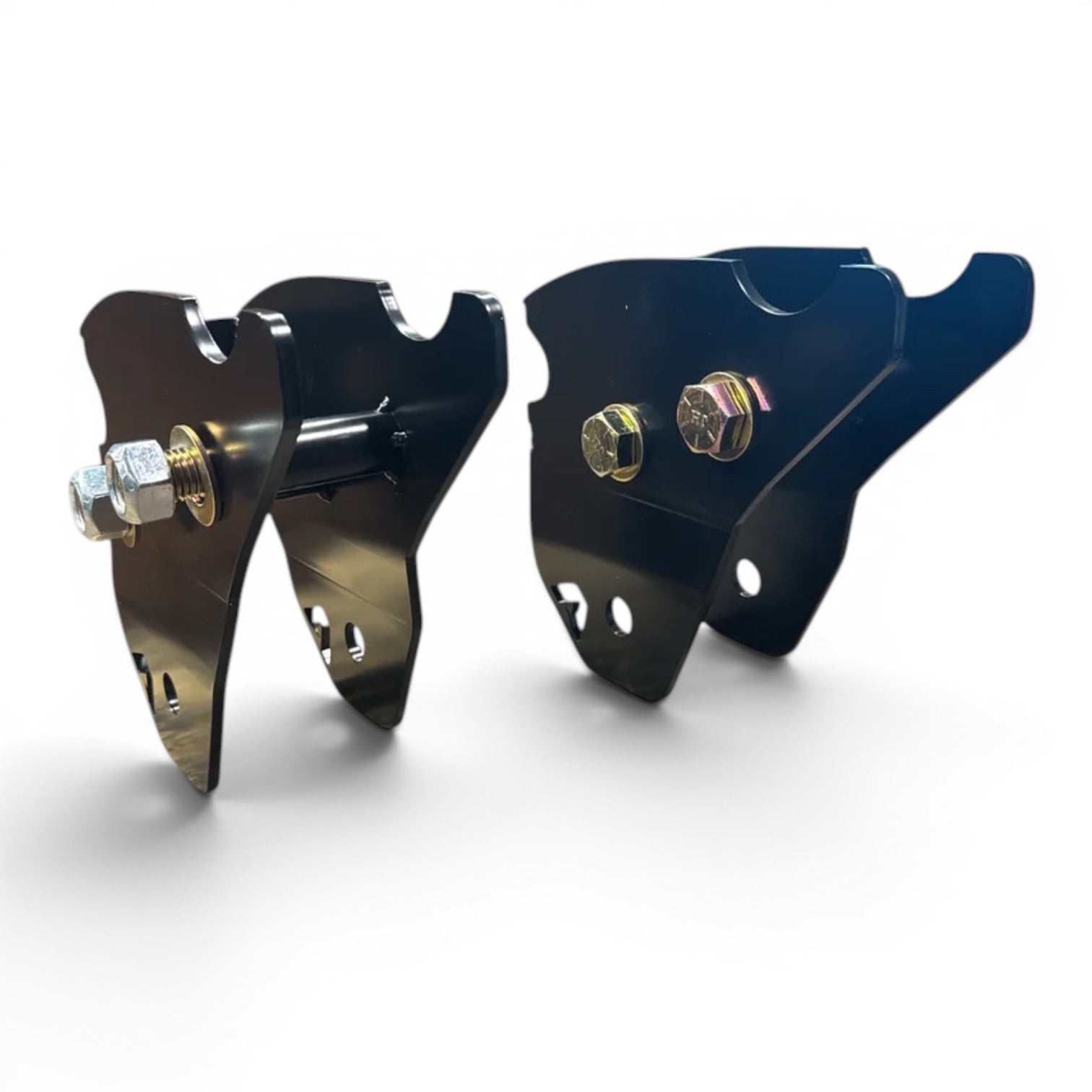
Radius Arm Drop Brackets: What They Are and Why Your Lifted Truck Needs Them
Learn how radius arm drop brackets restore proper suspension geometry on lifted trucks, correcting caster loss, bump steer, and ride quality issues.
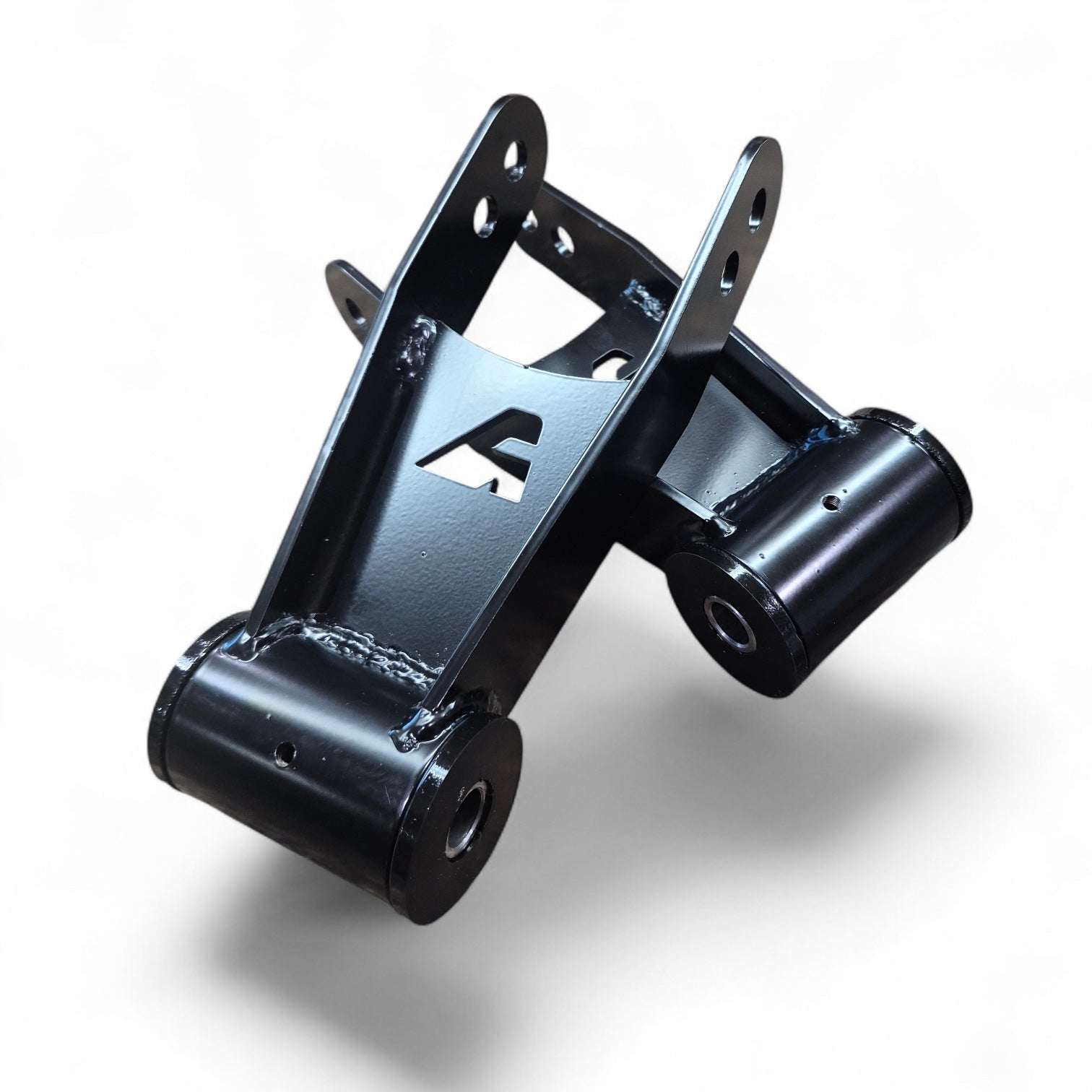
Whether you want to drop the rear of your F-150 for a leveled stance or add lift to a Ram or Silverado, APOC shackles deliver strength, adjustability, and clean bolt-on performance. Here’s everythi...
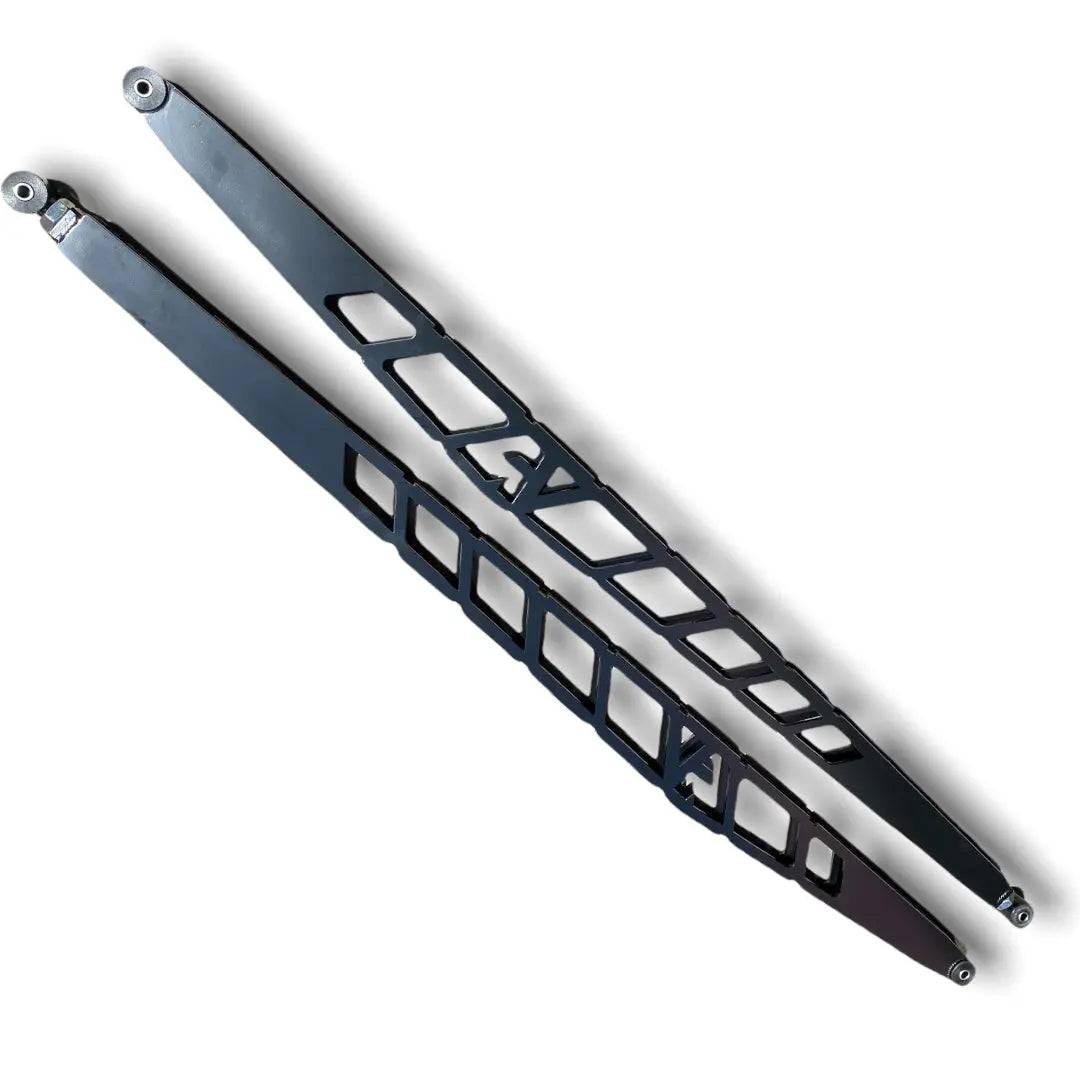
Ladder Traction Bars for Trucks: How They Work, Benefits & Why APOC Ladder Bars Stop Axle Wrap
Lifted trucks with big power or tall lift blocks are prone to axle wrap and wheel hop. Ladder traction bars solve the problem by locking down the rear axle under hard acceleration and towing. Here’...